Nutrition and Lifestyle After 40
Welcome to Nutralia, your educational resource for understanding nutrition, vitamins, minerals, and healthy lifestyle habits for men and women over 40. We provide neutral, science-based information to help you learn about daily wellbeing, energy, and vitality.
Educational content only. No medical services. No promises of outcomes.

Introduction to Lifestyle-Focused Nutrition
As we age beyond 40, our bodies undergo natural changes that affect how we process nutrients, maintain energy levels, and support overall wellbeing. Understanding these changes is the first step toward making informed decisions about daily nutrition and lifestyle habits.
This educational resource explains the science behind nutrition for adults over 40, covering topics such as vitamins, minerals, natural food sources, and lifestyle practices that support vitality and energy. Our goal is to provide clear, neutral information based on scientific research.
The content here is purely educational and does not replace individual guidance from qualified professionals. We explain concepts and describe phenomena without advising or making personal recommendations.

Vitamins and Minerals Explained
Vitamins and minerals are essential micronutrients that play critical roles in maintaining bodily functions. After 40, the body's ability to absorb and utilize certain nutrients may change, making it important to understand which vitamins and minerals support various aspects of health.
Key Vitamins for Adults Over 40
- Vitamin D: Supports bone health, immune function, and mood regulation. Natural sources include sunlight exposure, fatty fish, and fortified foods.
- Vitamin B12: Essential for nerve function, red blood cell formation, and energy metabolism. Found in animal products, fortified cereals, and nutritional yeast.
- Vitamin C: Supports immune health, collagen production, and antioxidant activity. Abundant in citrus fruits, berries, and leafy greens.
- Vitamin E: An antioxidant that protects cells from oxidative stress. Found in nuts, seeds, and vegetable oils.
- Folate (Vitamin B9): Important for cell division and DNA synthesis. Present in leafy greens, legumes, and fortified grains.

Essential Minerals
- Calcium: Critical for bone density and muscle function. Found in dairy products, leafy greens, and fortified plant-based milks.
- Magnesium: Supports muscle relaxation, nerve function, and energy production. Present in nuts, seeds, whole grains, and dark chocolate.
- Zinc: Important for immune function, wound healing, and protein synthesis. Found in meat, shellfish, legumes, and seeds.
- Iron: Essential for oxygen transport in blood. Present in red meat, poultry, beans, and fortified cereals.
- Potassium: Regulates fluid balance and blood pressure. Abundant in bananas, potatoes, avocados, and leafy greens.
- Selenium: An antioxidant mineral that supports thyroid function. Found in Brazil nuts, fish, and whole grains.
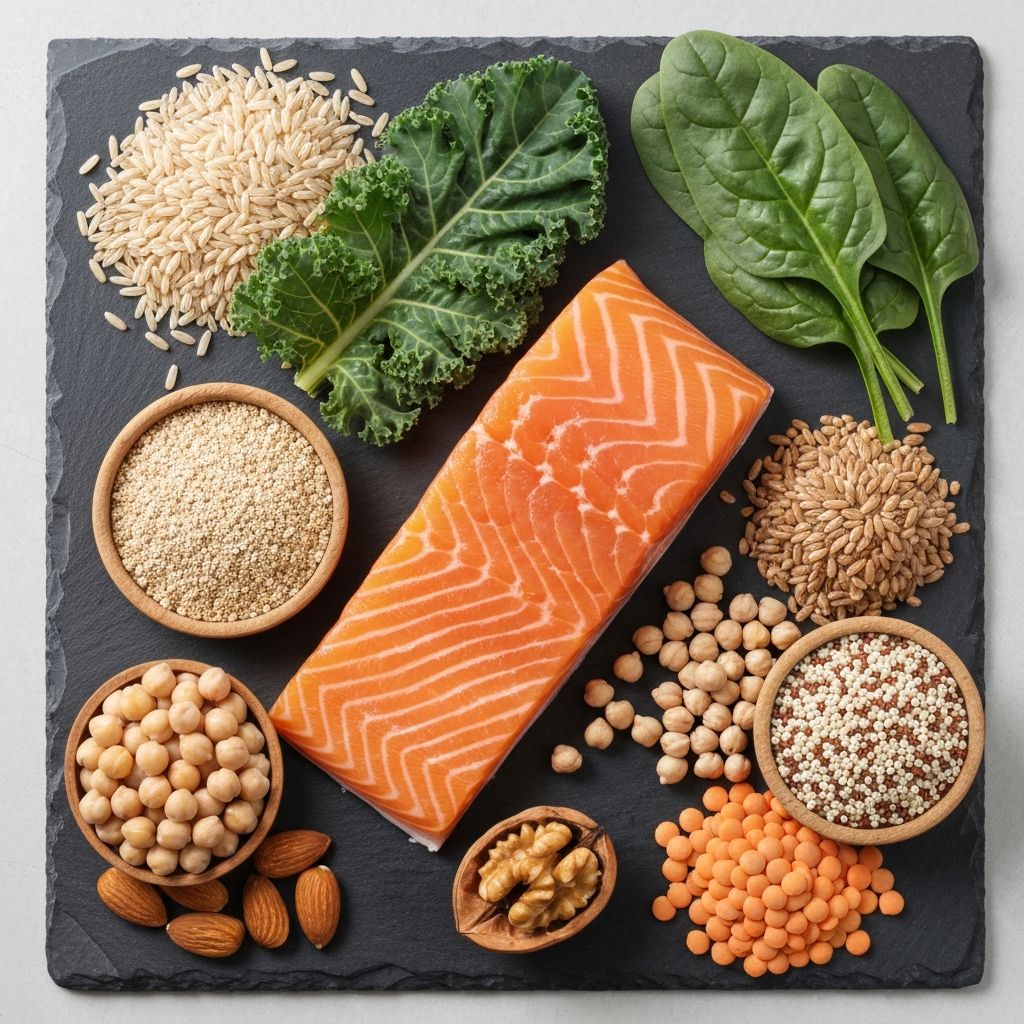
Understanding these nutrients helps explain why a varied, whole-food diet is often recommended by nutrition scientists. Different foods provide different nutrient profiles, and combining them creates a more complete nutritional picture.
Natural Ingredients and Their Benefits
Natural whole foods contain complex combinations of nutrients, fiber, and phytochemicals that work together to support health. Here we explain the science behind some commonly discussed natural ingredients:
Omega-3 Fatty Acids
These essential fats, found in fatty fish, walnuts, and flaxseeds, are studied for their role in heart health, brain function, and inflammation regulation.
Antioxidants
Compounds like polyphenols and carotenoids, found in colorful fruits and vegetables, help neutralize free radicals and support cellular health.
Fiber
Present in whole grains, fruits, vegetables, and legumes, fiber supports digestive health, blood sugar regulation, and satiety.
Probiotics and Prebiotics
These support gut health through beneficial bacteria (found in fermented foods) and the fibers that feed them (found in onions, garlic, and bananas).
Plant Proteins
Legumes, nuts, seeds, and whole grains provide protein along with fiber and micronutrients, offering an alternative to animal-based proteins.

Daily Routines for Energy and Vitality
Beyond nutrition, daily habits and routines play a significant role in how we feel and function. Scientific research has identified several lifestyle factors that correlate with improved energy levels and wellbeing in adults over 40:
Consistent Meal Timing
Eating at regular intervals helps maintain stable blood sugar levels and supports the body's circadian rhythm.
Hydration
Adequate water intake supports virtually every bodily function, from temperature regulation to nutrient transport.
Mindful Eating
Paying attention to hunger cues, eating slowly, and minimizing distractions during meals can improve digestion and satisfaction.
Balanced Macronutrients
Including protein, healthy fats, and complex carbohydrates in meals helps provide sustained energy throughout the day.
Limiting Processed Foods
Whole, minimally processed foods generally provide more nutrients and less added sugar, sodium, and unhealthy fats.

Physical Activity and Fitness
Regular physical activity is one of the most well-researched factors associated with healthy aging. For adults over 40, movement supports cardiovascular health, muscle mass, bone density, balance, and mental wellbeing.
Types of Beneficial Activity
- Cardiovascular Exercise: Walking, cycling, swimming, and dancing support heart health and endurance.
- Strength Training: Resistance exercises help maintain muscle mass and bone density, which naturally decline with age.
- Flexibility Work: Stretching and yoga support joint mobility and reduce injury risk.
- Balance Training: Simple balance exercises can help prevent falls and maintain coordination.
Current health guidelines suggest that adults aim for at least 150 minutes of moderate-intensity aerobic activity per week, combined with muscle-strengthening activities on two or more days. These are general population-level recommendations and individual needs may vary.

Mental Wellbeing and Stress Management
Mental and emotional health are integral components of overall wellbeing. Research increasingly shows the connections between psychological stress and physical health outcomes.
Stress and the Body
Chronic stress can affect sleep quality, eating habits, immune function, and cardiovascular health. Understanding these connections helps explain why stress management is often discussed in health contexts.
Evidence-Based Approaches
- Mindfulness and Meditation: Studies show these practices can reduce stress markers and improve emotional regulation.
- Social Connection: Maintaining relationships and community ties is associated with better mental and physical health outcomes.
- Time in Nature: Research suggests that spending time outdoors can reduce stress and improve mood.
- Creative Activities: Engaging in hobbies and creative pursuits provides mental stimulation and stress relief.
- Adequate Rest: Balancing activity with downtime supports mental recovery and resilience.

Sleep and Recovery
Sleep is a fundamental biological process during which the body repairs tissues, consolidates memories, and regulates hormones. For adults over 40, quality sleep becomes increasingly important yet sometimes more challenging to achieve.
Why Sleep Matters
Research has linked adequate sleep duration and quality to numerous health outcomes, including immune function, cognitive performance, emotional regulation, metabolism, and cardiovascular health.
Factors Affecting Sleep Quality
- Sleep Environment: Dark, quiet, cool rooms support better sleep.
- Consistent Schedule: Going to bed and waking at similar times helps regulate circadian rhythm.
- Evening Routine: Wind-down activities signal the body to prepare for rest.
- Light Exposure: Natural light during the day and darkness at night support healthy sleep-wake cycles.
- Stimulant Timing: Caffeine and screen time before bed can interfere with sleep onset.
Most adults need 7-9 hours of sleep per night, though individual needs vary. Sleep quality is as important as quantity.

Frequently Asked Questions
What makes nutrition after 40 different?
After 40, several physiological changes occur that affect nutrient metabolism. These include changes in muscle mass, bone density, metabolic rate, and the efficiency of nutrient absorption. Understanding these changes helps explain why nutritional needs may shift with age.
Are vitamins and minerals supplements necessary?
This educational resource explains nutrients found in foods. Whether supplementation is appropriate depends on individual circumstances and should be discussed with qualified healthcare providers who can assess personal needs.
How much physical activity is recommended?
General public health guidelines suggest adults aim for at least 150 minutes of moderate-intensity aerobic activity per week, plus strength training twice weekly. Individual capabilities and needs vary, and any increase in activity from a sedentary baseline can provide benefits.
Can lifestyle changes really make a difference?
Large-scale research studies have consistently found associations between lifestyle factors like nutrition, physical activity, sleep, and stress management and various health outcomes. While genetics play a role, lifestyle factors are modifiable elements that can influence wellbeing.
Is this information personalized advice?
No. This website provides general educational information about nutrition and lifestyle topics. It does not provide personalized recommendations or medical advice. Individual circumstances vary, and decisions about health should involve qualified professionals.
Scientific Background
The information presented on Nutralia is based on scientific research published in peer-reviewed journals and established nutritional science principles. We focus on explaining mechanisms and describing observed associations rather than making definitive claims.
Research Areas Covered
- Nutritional biochemistry and metabolism
- Micronutrient functions and food sources
- Dietary patterns and health outcomes
- Exercise physiology and aging
- Sleep science and circadian biology
- Stress physiology and mind-body connections
Scientific understanding evolves as new research emerges. We aim to present current evidence-based information in an accessible, educational format.

Everyday Examples and Practical Tips
Translating nutritional science into daily life involves practical strategies that fit individual lifestyles. Here are some examples of how people incorporate these principles:
Meal Planning Examples
- Starting the day with protein and fiber to support stable energy
- Including colorful vegetables at lunch for varied nutrients
- Preparing balanced dinners with protein, vegetables, and whole grains
- Keeping healthy snacks available, like nuts, fruits, or yogurt
Movement Integration
- Taking walking breaks during work hours
- Using stairs instead of elevators when possible
- Scheduling regular exercise sessions like other appointments
- Finding activities that are enjoyable and sustainable
Stress Management Practices
- Setting aside time for relaxation or hobbies
- Practicing deep breathing exercises during stressful moments
- Maintaining social connections through regular contact
- Spending time outdoors in nature when possible

Infographics and Educational Resources
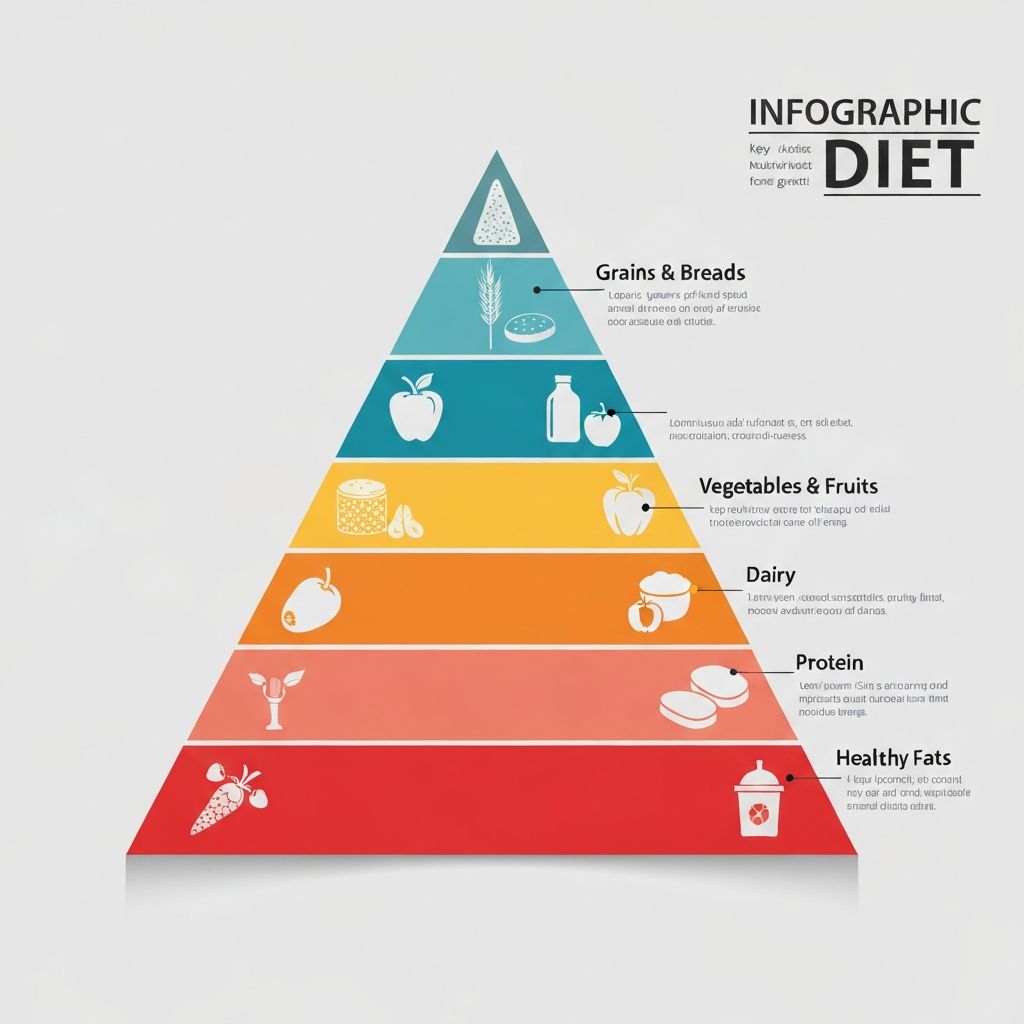
Visual representations can help clarify complex nutritional concepts. Educational materials like food pyramids, nutrient charts, and lifestyle guides serve as reference tools for understanding balanced nutrition.
Understanding Food Groups
Different food groups provide different nutrients. A varied diet that includes vegetables, fruits, whole grains, proteins, and healthy fats offers a broad spectrum of vitamins, minerals, and beneficial compounds.
Reading Nutrition Labels
Food labels provide information about serving sizes, calories, macronutrients, and key micronutrients. Learning to interpret this information helps make informed food choices.
Portion Awareness
Understanding appropriate portion sizes for different foods can help maintain energy balance and ensure adequate nutrient intake without excess.
Seasonal Eating
Choosing seasonal produce often provides fresher, more nutrient-dense options while supporting local food systems.
Limitations and Context
This website provides educational information only. It does not constitute medical advice, diagnosis, or treatment recommendations. Individual health circumstances vary significantly, and what works for one person may not be appropriate for another.
There are multiple valid approaches to nutrition and lifestyle, and personal decisions should be made in consultation with qualified healthcare providers who understand your specific situation, medical history, and needs.
The information presented here is not intended to replace professional guidance. If you have specific health concerns or conditions, please consult appropriate medical professionals.
Continue Learning
Explore more educational content about nutrition, vitamins, minerals, and healthy lifestyle practices for adults over 40.
Learn More Detailed Information